No political mantra, no tech-bro fantasy, no alluring macroeconomic ideology has stemmed the persistent decline of economic growth. Let alone reversed it. To all intents and purposes, we are already living in a postgrowth world.
. . .
Growth, growth, growth” is the most persistent economic mantra of the postwar years. It’s been trumpeted so often and by so many that it seems like the only fixed star in a rapidly changing firmament. From the supply-side fantasies of the former Conservative chancellor of the Exchequer Kwasi Kwarteng to the demand-side prudence of the incumbent Chancellor, Rachel Reeves, it has cast its fickle spell across the political imagination.
But calling incessantly for growth is not the same thing as delivering it. Kwarteng’s disastrous tax giveaway crashed the same markets he fervently believed would save us. Reeves’ hike in employer National Insurance is busy undermining the livelihoods of those whose jobs she pledged to support. We’re trapped in a fiscal discipline that makes George Osborne’s austerity look like a generous state handout. And still we repeat the refrain.
Let’s be fair. There is some method in this madness. Growth is supposed to secure us quality of life. It’s supposed to bring us economic power in an uncertain world. It’s supposed to wash away all ills – even those (like climate change) which growth itself has contributed to. It certainly makes the life of government easier when it comes to filling the tax coffers and paying down the public debt.
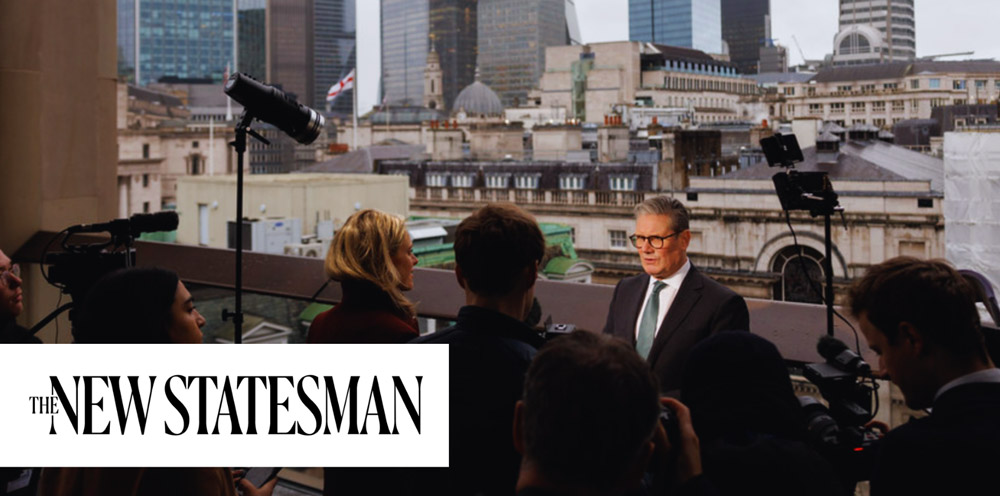
Picture by Picture by Simon Dawson / No 10 Downing Street / flickr.com (CC-BY 2.0)